
Everything You Need to Know About Subfloor Leveling and Replacement

Deciding to update your floors is exciting! You get to look at samples, get creative, and get one step closer to your dream home. But all of that excitement can come to a screeching halt when you discover your subfloor isn't level enough for LVP, tile, or wood. Or even worse, that it needs to be replaced altogether.
Many homeowners have never given their subfloor much thought, let alone even know what it is. Not to worry. We're here to explain everything you need to know about what's going on beneath your flooring, from what subfloors are to subfloor leveling and replacement. This article has you covered.
Keep reading to learn more!
What Is a Subfloor?
The subfloor is the surface underneath your flooring. Depending on the level of the house, it could be concrete or large sheets of plywood or OSB (oriented strand board). Some older homes may also have particleboard or plank subfloors.
Basements generally have concrete subfloors, while upper levels typically have wooden ones. Many homes in Denver also have concrete subfloors on the main level, especially homes built on slab foundations.
Your subfloor acts as the foundation for your finished flooring. Whether you're installing luxury vinyl plank (LVP), hardwood, laminate, or tile, the subfloor is what supports everything above it.
And just like the foundation of your home, you want it to be in good shape!
Why Does a Subfloor Matter When Installing Flooring?
Without a properly prepared subfloor, things like LVP, tile, and wood won't lay correctly and can be susceptible to problems in the future. One thing that surprises many homeowners is that a subfloor doesn't necessarily have to be perfectly level. It does, however, need to be flat.
What's the difference?
A level floor is perfectly horizontal, while a flat floor doesn't have significant dips, bumps, or uneven areas. You can have a floor that slopes slightly but is still flat enough for certain types of flooring.
Different flooring materials have different requirements, which is why it's important to check the manufacturer's installation guidelines before getting started.
Installing new flooring over an uneven subfloor can lead to problems like:
Gaps between planks: LVP and laminate flooring can separate or develop gaps when the surface underneath isn't properly prepared.
Squeaking or movement: Uneven areas can cause flooring to shift or make noise when you walk across it.
Cracked tiles or grout: Tile needs a solid, stable surface. Too much movement underneath can cause cracking.
Premature wear and tear: Uneven support can put extra stress on flooring materials, shortening their lifespan.
Warranty issues: Many flooring manufacturers have specific subfloor requirements. Failing to meet them could affect your warranty coverage.
Nobody wants to spend thousands of dollars on beautiful new flooring only to run into problems a few months later. That's why subfloor preparation is one of the most important steps in any flooring installation.
How Do You Level Subfloors?
The process of leveling a subfloor depends on what it's made of, how uneven it is, and what type of flooring you're planning to install.
When it comes to Denver subfloor leveling, there isn't a one-size-fits-all solution.
Leveling Concrete Subfloors
Concrete subfloors are common in Denver homes, particularly in basements and houses built on concrete slabs. Over time, concrete can develop cracks, dips, high spots, and uneven areas. Some of these imperfections are minor, while others require more extensive preparation.
Depending on the condition of the concrete, there are a few different ways to fix it.
1. Grinding Down High Spots
If your concrete subfloor has raised areas, grinding may be the best solution. Using specialized equipment, these high spots can be carefully ground down to create a flatter surface.
2. Filling Low Spots
For smaller dips and uneven areas, a floor patching compound can be used to fill in the low spots.
3. Applying Self-Leveling Underlayment
For larger areas with multiple dips or uneven sections, a self-leveling underlayment may be recommended.
This cement-based product is poured or pumped over a properly prepared surface, where it flows into low areas and creates a smoother, flatter base for your new flooring. Despite the name, self-leveling products still require proper preparation, installation techniques, and sometimes additional tools to achieve the desired results.
It's also important to make sure any moisture issues or underlying concrete problems are addressed before applying these products.
Leveling Wooden Subfloors
Wooden subfloors require a different approach. Unlike concrete, wood can flex, shift, or become damaged over time. This means that before attempting to level a wooden subfloor, it's important to determine why it's uneven in the first place.
Depending on the situation, solutions may include:
Sanding down minor high spots
Securing loose subfloor panels to reduce movement
Replacing damaged sections of plywood or OSB
Installing additional underlayment where appropriate
Correcting issues with the framing or floor joists
Certain patching and leveling products can also be used over wooden subfloors, but only when they're specifically approved for that application. If the unevenness is caused by structural problems, simply adding leveling compound won't solve the issue.
That's why having an experienced flooring professional inspect the subfloor before installation can save you time, money, and headaches down the road.
When to Replace Your Subfloors
Sometimes leveling isn't enough. While many uneven subfloors can be repaired, there are situations where subfloor replacement is the better option. The good news? Discovering subfloor damage doesn't always mean you need to replace the entire thing. In many cases, only the affected sections need to be removed and replaced.
Here are some common signs that your subfloor may need replacing.
1. Water Damage
Water is one of the biggest enemies of wooden subfloors. Leaks from appliances, plumbing problems, and flooding can cause plywood or OSB to swell, weaken, or deteriorate.
If the damage is severe enough, the affected sections may need to be replaced before installing new flooring.
It's also important to identify and fix the source of the moisture so the same problem doesn't happen again.
2. Soft or Spongy Areas
Does your floor feel soft or bouncy when you walk across it? This could be a sign of damaged subflooring, loose panels, or problems with the framing underneath. While not every squeak or bounce means your subfloor needs replacing, it's definitely worth investigating before installing new flooring.
3. Rot or Mold Damage
If moisture has been trapped beneath your flooring for an extended period, it can lead to wood rot or mold growth. Rotting subfloor materials may no longer provide adequate support and often need to be replaced.
Any active moisture or mold problem should also be properly addressed before new materials are installed.
4. Significant Structural Damage
Sometimes the issue goes beyond the subfloor itself. Damaged floor joists, excessive movement, or significant sagging may indicate a structural problem that needs professional attention. In these cases, repairing or replacing the subfloor alone may not be enough.
5. Old or Deteriorating Materials
Older homes sometimes have subfloor materials that aren't suitable for modern flooring installations. For example, certain particleboard subfloors can be especially vulnerable to moisture damage and may not provide an appropriate base for tile or other flooring products.
Depending on the condition of the material and your new flooring's requirements, replacement or additional preparation may be necessary.
Can You Install LVP Over an Uneven Subfloor?
This is a question we hear quite a bit, and the short answer is: it depends on how uneven the subfloor is.
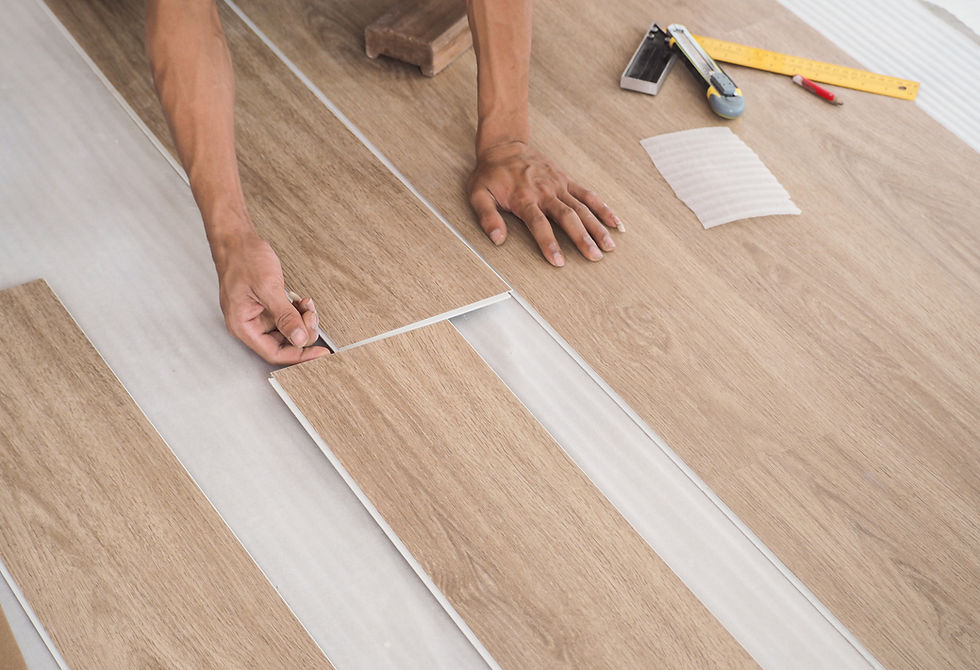
Luxury vinyl plank is a popular choice for Denver homeowners because it's durable, attractive, and relatively easy to maintain. But just because LVP is a floating floor doesn't mean it can hide every imperfection underneath. In fact, uneven subfloors can cause LVP to flex, separate at the seams, or experience damage to the locking mechanisms.
Most LVP manufacturers specify how flat the subfloor needs to be before installation. The exact requirements vary by product, so it's important to follow the instructions for your particular flooring. If you're planning to install LVP, taking care of any necessary floor leveling beforehand can help protect your investment and keep your new floors looking great for years to come.
How Much Does Subfloor Leveling Cost in Denver?
The cost of subfloor leveling can vary quite a bit depending on the project.
A small area that only needs a little patching will generally cost less than an entire basement that requires extensive grinding and self-leveling underlayment.
Some of the biggest factors that affect pricing include:
Square footage: Larger areas typically require more materials and labor.
Severity of unevenness: Minor dips and high spots are generally easier to correct than significant elevation differences.
Subfloor material: Concrete and wooden subfloors require different preparation methods.
Materials needed: Grinding, patching, self-leveling underlayment, and plywood replacement all come with different costs.
Existing flooring removal: If the current flooring needs to be removed before work can begin, that may add to the overall project cost.
Additional repairs: Moisture damage, structural issues, or deteriorating subfloor materials can increase the scope of work.
Because every subfloor is different, the best way to determine the cost is to have a flooring professional take a look. At Easy Step Floors, we offer free estimates to help Denver homeowners understand what their subfloors need before moving forward with their flooring projects.
Frequently Asked Questions About Subfloor Leveling
Can You Level a Subfloor Without Replacing It?
Yes! In many cases, an uneven subfloor can be leveled without needing to replace it.
If the subfloor is structurally sound and free of significant damage, grinding, patching, or applying a self-leveling underlayment may be all that's needed.
However, if you're dealing with water damage, rotting wood, or structural issues, some sections may need to be repaired or replaced first.
How Long Does Subfloor Leveling Take?
It depends on the size of the area and how much work is needed. Smaller projects involving minor grinding or patching may only take a few hours, while larger projects requiring extensive preparation or self-leveling underlayment could take a day or more.
Keep in mind that some leveling products also need time to cure before new flooring can be installed. The waiting period varies depending on the product, application thickness, and site conditions.
Can You Install LVP Directly Over Concrete?
Yes! Luxury vinyl plank can often be installed directly over concrete, provided the surface meets the flooring manufacturer's requirements. Before installation, the concrete needs to be clean, dry enough for the flooring system, and sufficiently flat. If there are significant dips, bumps, or uneven areas, concrete floor leveling may be necessary before installing your LVP.
You'll also want to make sure any moisture concerns are addressed and that the appropriate vapor barrier or underlayment is used if required by the manufacturer.
Planning to update your floors? Easy Step Floors also offers luxury vinyl plank installation services to help you go from subfloor preparation to beautiful new flooring.
Can You Use Self-Leveling Concrete Over a Wooden Subfloor?
In some cases, yes! Certain self-leveling underlayments are specifically designed for use over plywood or OSB subfloors. However, not all leveling products are suitable for wood.
Wooden subfloors also need to be properly secured, structurally sound, and prepared according to the product manufacturer's instructions. Some products require special primers, reinforcement, or additional preparation. That's why it's important to use the right materials and installation methods for your particular subfloor.
Is Subfloor Leveling Worth the Cost?
If your subfloor doesn't meet the requirements for your new flooring, absolutely! Skipping necessary subfloor preparation might save you some money upfront, but it could lead to bigger expenses later.
Uneven subfloors can contribute to shifting planks, damaged locking mechanisms, cracked tile, and other flooring problems. Getting your subfloor properly prepared before installation helps protect your investment and can save you from having to make costly repairs down the road.
Do I Need to Level My Entire Floor or Just Certain Areas?
Not necessarily! Sometimes only a few problem areas need attention. If your subfloor has a couple of small dips or high spots, targeted grinding or patching may be enough to get it ready for new flooring. Other times, especially when there are significant variations throughout the room, more extensive leveling may be needed.
A professional can evaluate the surface and determine the best approach based on the condition of your subfloor and the flooring you plan to install.
Do You Need Subfloor Leveling?
Whether you're replacing old flooring, finishing your basement, or getting ready to install brand-new LVP, having a properly prepared subfloor is essential. The last thing you want is to invest in beautiful new floors only to discover that the surface underneath wasn't ready for them.
Easy Step Floors is your local resource for Denver subfloor leveling, repair, and replacement. We've helped homeowners get their subfloors flat, stable, and ready for flooring installation.
Not sure if your subfloor needs leveling or replacement? That's what we're here for!
Contact Easy Step Floors today to schedule your free estimate, and let's get your floors one step closer to finished!

Comments